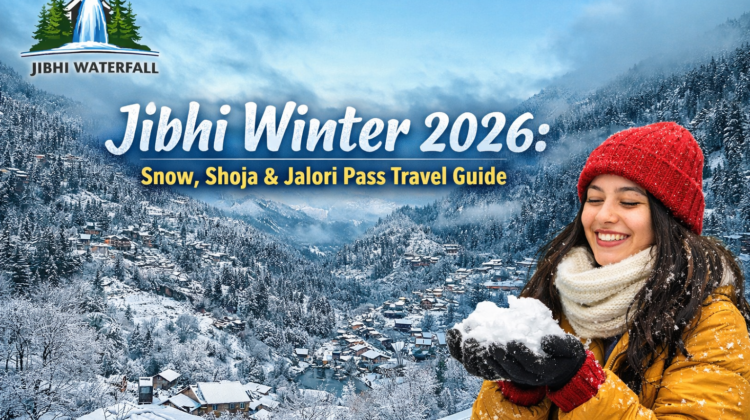
Jibhi Winter 2026: Snow, Shoja & Jalori Pass Travel Guide
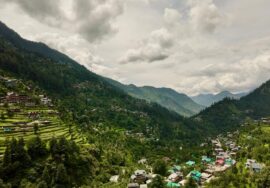
Jibhi, a quiet village in Himachal Pradesh, is becoming one of the most searched winter destinations in India. Known for its forests, wooden homes, and calm atmosphere, Jibhi offers a rare winter experience without crowds or commercialization.

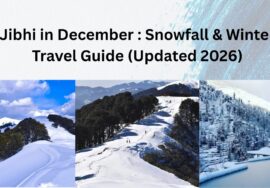
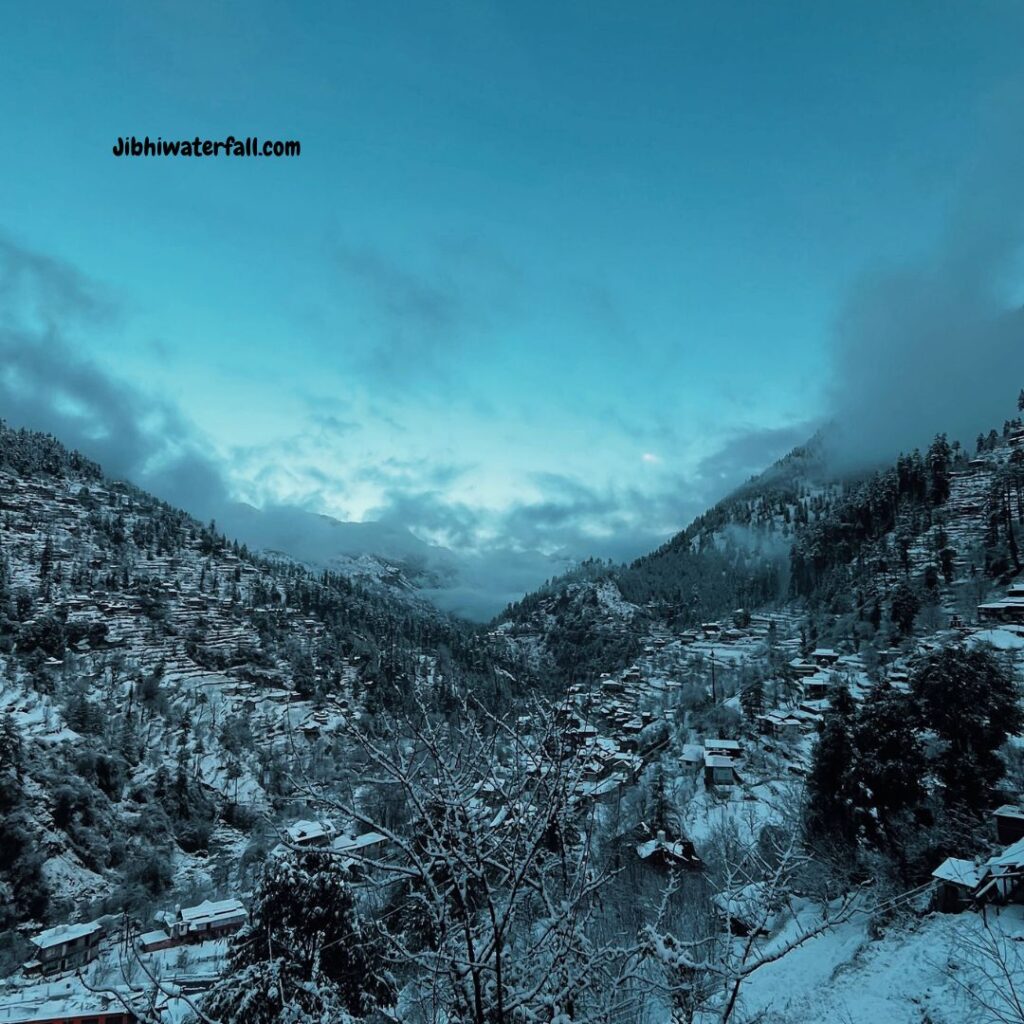
In 2026, Jibhi officially entered peak winter after receiving its first snowfall on 23 January, followed by a second fresh snowfall on 27 January. These snowfalls marked the true beginning of winter magic in the region, especially around Shoja and Jalori Pass.
This guide covers snowfall updates, weather conditions, safety tips, best travel dates, and FAQs—all in clear and helpful language.
Latest Snowfall Update in Jibhi (Winter 2026)
- First Snowfall: 23 January 2026
- Second Snowfall: 27 January 2026
- Snow-covered areas:
- Jibhi village surroundings
- Shoja
- Jalori Pass
- Seraj Valley viewpoints
After these snowfalls, snow coverage became stable and visible across higher and mid-altitude areas, making late January and February ideal for winter travel.
Weather in Jibhi (January–February 2026)
Winter in Jibhi is cold but peaceful, with misty mornings and clear mountain views. Jibhi is currently experiencing cold winter conditions. According to recent weather forecasts, daytime temperatures range between 11°C and 13°C, while night temperatures drop to around 4°C to 6°C. The weather remains mostly overcast and misty, especially during mornings and evenings. There is also a high chance of rainfall or light snowfall, particularly during late-night and early-morning hours, which adds to the chilly winter atmosphere.
Does Jibhi Receive Snowfall Every Year?
Yes. Jibhi receives snowfall almost every winter, but January is the most reliable month for snow.
December snowfall depends on weather systems, while late January and early February provide consistent snow coverage.
Best Time to Visit Jibhi for Snow (2026)
Most Recommended Period:
- 25 January – 20 February 2026
Why this period is best:
- Fresh snowfall already settled
- Fewer tourists after New Year
- Better snow visibility
- Calm and peaceful environment
Is Jibhi Open & Safe in Winter 2026?
Yes, Jibhi remains open and safe during winter, including January and February. However, winter travel requires basic precautions.
Winter Safety Tips
- Avoid driving after sunset (fog + black ice)
- Start day trips before 10 AM
- Wear proper winter layers
- Stay in accommodations with heaters
- Carry cash and power bank
- Check Jalori Pass road status before visiting
Important Local Winter Warning
⚠ Winter Travel Advisory
- Morning fog reduces visibility (7–10 AM)
- Black ice forms near Shoja and Jalori Pass
- Jalori Pass may close temporarily after heavy snow
- Water pipelines may freeze—confirm hot water availability with your stay
Best Places to See Snow in Jibhi
Jibhi and its surrounding villages offer beautiful snow-covered landscapes during peak winter, even when higher passes remain closed.
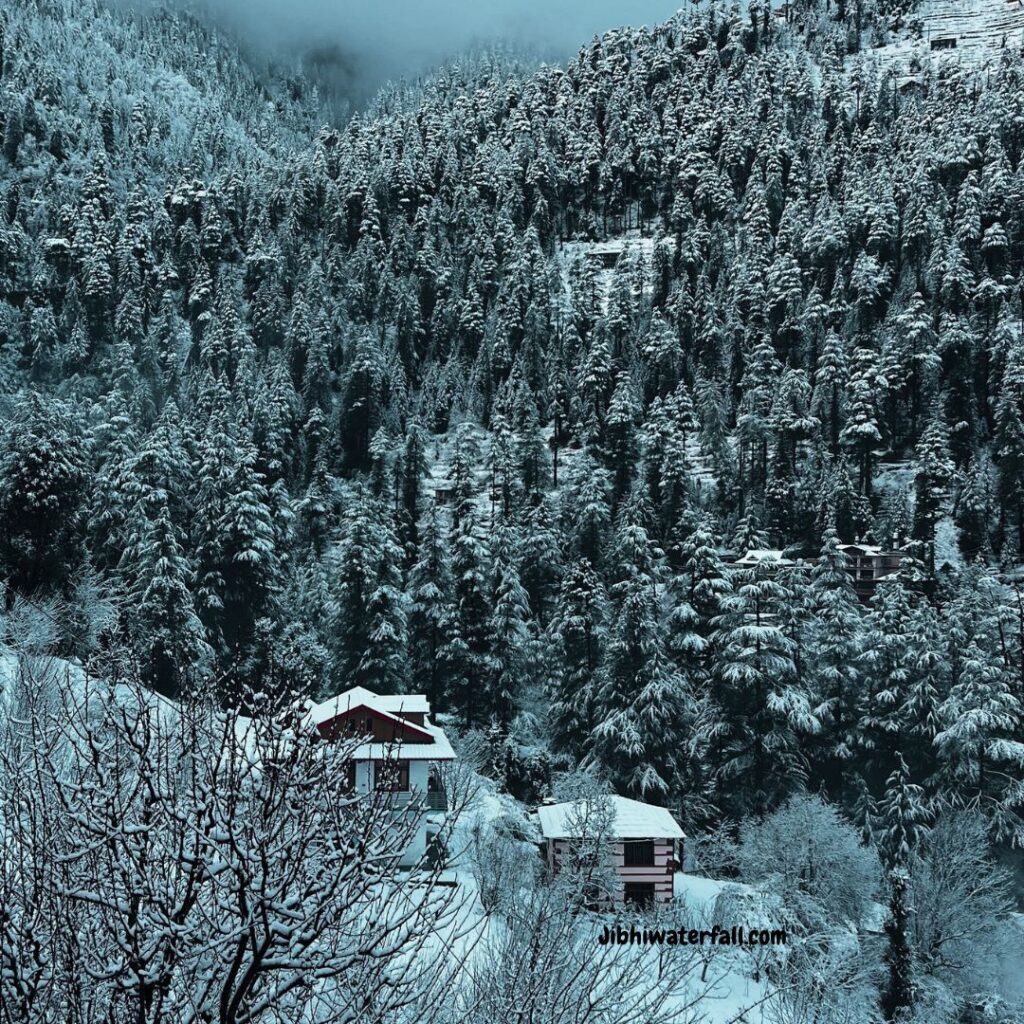
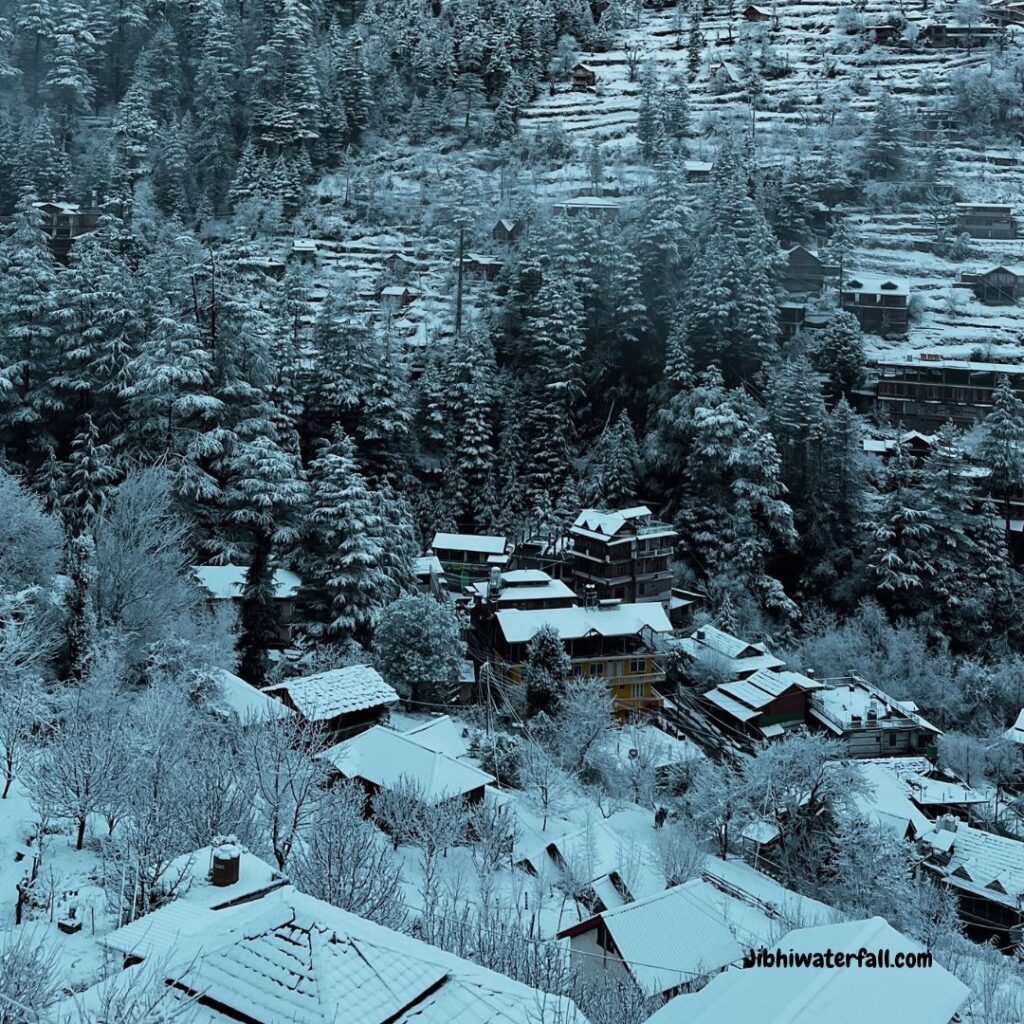
- Jibhi village: After recent snowfall, Jibhi itself turns white and scenic, with snow covering rooftops, forest paths, and riverside trails. Visitors can easily explore snow within the village without long travel.
- Shoja village: Shoja receives the highest snowfall in the region and is the most reliable spot to experience deep snow during winter.
- Forest trails around Jibhi: Short walks through pine and deodar forests become magical as trees and pathways are covered in fresh snow.
- Seraj Valley viewpoints: These viewpoints offer wide winter landscapes with snow-covered hills and misty valleys.
- Ghiyagi region: A quieter area near Jibhi where snowfall creates peaceful white surroundings, ideal for relaxed exploration.
Even when Jalori Pass is closed due to heavy snowfall, Jibhi village and Shoja continue to provide excellent snow views and a complete winter experience without the need to travel far.
Winter-Friendly Destinations to Visit in and Around Jibhi (Even During Snowfall)
Even during active snowfall, several places around Jibhi remain accessible and safe to explore. These destinations do not require high-altitude travel and are ideal for winter sightseeing.
Jibhi Village
Jibhi itself is one of the best places to explore during snowfall. Snow-covered rooftops, forest paths, and riverside walks create a peaceful winter atmosphere. Most cafés, homestays, and short walking trails remain accessible.
Shoja Village
Shoja receives heavy snowfall but is usually reachable by road when conditions are stable. It offers stunning snow views, forest walks, and quiet surroundings, making it one of the safest and most popular winter destinations near Jibhi.
Jibhi Waterfall
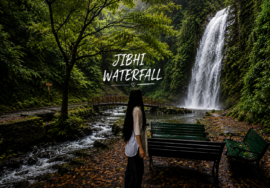
A must-visit even in winter, Jibhi Waterfall looks magical with the surrounding forests covered in snow. The trail to the waterfall remains manageable, and the misty air adds a perfect winter charm.
Mini Thailand
A short forest walk leads to Mini Thailand, a clear natural pool near Jibhi. In winter, the pool is surrounded by snow-dusted trees, creating a serene and picturesque spot for nature lovers.
Shringa Rishi Temple
Located at a lower altitude, Shringa Rishi Temple remains accessible even in winter. The temple holds cultural significance and offers scenic views, making it a good option during snowy days.
Chehni Fort
Chehni Fort can be visited in winter if weather conditions are clear. The short village walk leading to the fort becomes especially beautiful after snowfall, with snow-dusted houses and mountain views.
Great Himalayan National Park (GHNP – Entry Areas)
While deep forest treks are restricted in winter, entry zones and buffer areas of the Great Himalayan National Park remain accessible. Snow-covered forests around the park offer calm nature walks and photography opportunities.
Chhoie Waterfall
Chhoie Waterfall is reachable during winter as the trail remains manageable. In cold weather, the surrounding forest and flowing water create a dramatic winter scene.
Tirthan Valley
Tirthan Valley stays accessible throughout winter and is one of the safest nearby regions during snowfall. Snowfall in surrounding hills, combined with flowing rivers and forest views, makes it perfect for relaxed winter exploration.
Things to Do in Jibhi During Snowfall
Winter limits high-altitude trekking, but Jibhi remains perfect for slow travel.
- Walk through snow-covered village paths
- Enjoy bonfires in wooden cottages
- Visit Jibhi Waterfall (winter mist adds charm)
- Relax beside the river with hot tea
- Explore Shoja for snow views
- Try local Himachali food in cozy cafés
Best Places to Stay in Jibhi (Winter 2026)
Choosing the right accommodation is essential for a comfortable winter stay in Jibhi. Due to cold nights and occasional snowfall, travelers should book stays that are well-prepared for winter conditions.
What to Look for in a Winter Stay
- Room heaters or electric blankets
- 24/7 hot water availability
- Power backup during snowfall
- Bonfire area for evenings
- Easy road access
Recommended Winter Stays in Jibhi
Jibhi Treehouse & Wooden Homestay is one of the most preferred options for winter travelers. The wooden construction provides natural insulation, keeping rooms warm and cozy even during cold nights.
- Warm wooden interiors
- Heaters and hot water facilities
- Scenic valley and forest views
- Bonfire arrangements
- Peaceful and safe environment
Wooden cottages and treehouse-style stays are especially popular in winter as they offer better warmth, comfort, and an authentic mountain stay experience in Jibhi.
How to Reach Jibhi in Winter
By Road
Delhi → Chandigarh → Aut → Banjar → Jibhi
By Bus
Volvo bus to Aut → Taxi to Jibhi
By Air
Nearest airport: Bhuntar (Kullu)
Distance: ~1.5 hours by road
⚠ Avoid night travel due to fog and icy roads.
Packing List for Jibhi in Snow
- Thermal wear
- Heavy jacket
- Woollen cap & gloves
- Waterproof shoes
- Warm socks
- Moisturizer & lip balm
- Power bank
- Medicines
- Cash
Jibhi vs Manali in Winter: Which Is Better?
| Factor | Jibhi | Manali |
|---|---|---|
| Crowd | Low | Very High |
| Snow Experience | Natural & quiet | Commercial |
| Traffic | Minimal | Heavy |
| Atmosphere | Peaceful | Busy |
| Ideal For | Couples, nature lovers | Party travelers |
For travelers seeking snow without chaos, Jibhi is the better choice.
Why Jibhi Is One of the Best Winter Destinations in Himachal Pradesh
- Reliable snowfall in January
- No overcrowded snow points
- Calm village environment
- Scenic forests and valleys
- Ideal for couples & photographers
Jibhi offers slow travel, silence, and authentic winter beauty, which is rare in popular hill stations.
Conclusion
Jibhi in winter 2026 is a perfect destination for travelers who want real snowfall, silence, and scenic beauty. With confirmed snowfalls on 23 and 27 January, the region entered peak winter, making late January and February the best time to visit.
Unlike crowded hill stations, Jibhi offers a calm, natural, and deeply relaxing winter experience. If your goal is snow, peace, and authentic mountain life, Jibhi is absolutely worth visiting in winter 2026.
Q.1 When did Jibhi receive snowfall in 2026?
Jibhi received its first snowfall on 23 January 2026 and a second snowfall on 27 January 2026.
Q.2 Is January the best month for snow in Jibhi?
Yes. January is the most reliable month for snowfall and snow accumulation.
Q.3 Can I see snow in February?
Yes. Snow remains on the ground throughout February, especially in Shoja and Jalori Pass.
Q.4 Is Jibhi safe for travelers in winter?
Yes, Jibhi is safe for all kinds of travelers in winter, including couples, solo travelers, families, and first-time visitors. With basic winter precautions, proper clothing, and updated road checks, traveling to Jibhi during winter is safe and comfortable.
Q.5 Does Jalori Pass stay open in winter?
It depends on snowfall. The pass may close temporarily after heavy snow.
Q.6 Is Jibhi better than Manali for snow?
For travelers seeking peace, fewer crowds, and natural snow views, Jibhi is often a better choice than Manali. Manali is more commercial and crowded during winter.
Q.7 Are roads open to Jibhi during snowfall?
Yes. Roads generally remain open till Jibhi . Temporary closures may occur during heavy snowfall, but access is usually restored quickly.
Q.8 Does electricity go during snowfall in Jibhi?
Yes. Power cuts are common during snowfall. Travelers should carry power banks, torches, and emergency lights, and book stays with power backup.
Q.9 What should I pack for a winter trip to Jibhi?
Warm layers, thermals, heavy jackets, gloves, waterproof shoes, moisturizer, power bank, torch, medicines, and cash are essential.
Q.10 Can I work remotely from Jibhi in winter?
Yes, but internet speed may fluctuate during snowfall. Power backup is essential if you plan to work remotely.